China's Oil Demand Peaks as Global Supply Tightens
China's increased oil imports fuel supply concerns as Middle East tensions impact global pricing, influencing sector deals and valuations.
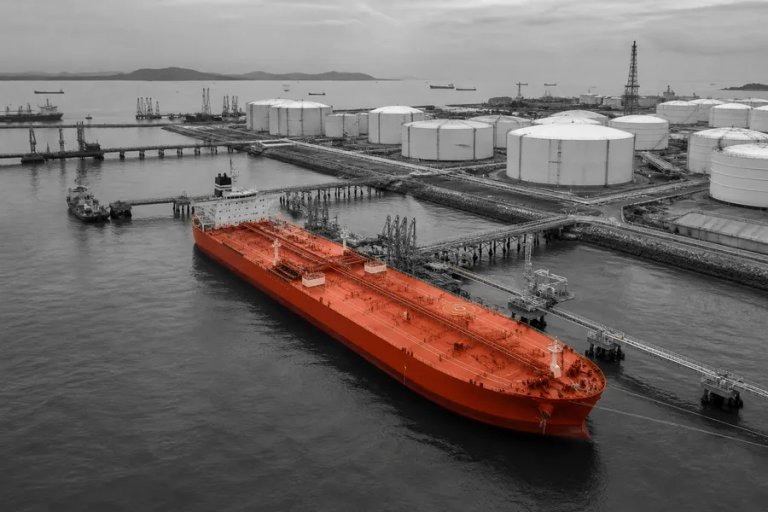
China's crude oil imports climbed to their highest level since March in October 2026, a supply-side signal that analysts say could sustain elevated Brent prices as the Middle East conflict reshapes global trade flows.
For energy investors, the data point matters because stronger Chinese demand arriving simultaneously with Middle East supply uncertainty creates a double-sided pressure on global inventories - a dynamic that feeds directly into refiner margins and energy-sector earnings.
Key Takeaways
- China's October crude imports hit an eight-month peak.
- Middle East conflict is reshaping buyers' sourcing decisions.
- Tighter global supply and rising Asian demand lift price risk.
Market Reaction & Context
October's import surge places China - the world's largest crude buyer - at the centre of a tightening oil market. Brent crude futures have been trading with a notable geopolitical risk premium since the Middle East conflict intensified, and analysts tracking Brent's move toward the $100 threshold have pointed to Chinese restocking demand as a key accelerant 1.
By contrast, the March 2026 import peak - now equalled - coincided with a broad refinery maintenance lull that briefly suppressed demand. October's rebound therefore represents genuine consumption growth, not simply calendar-driven noise.
Detailed Analysis
China's customs data showed October crude arrivals at their strongest monthly pace since March, reversing several months of subdued buying that had weighed on tanker utilisation rates and Middle East export premiums. Traders say Chinese state refiners accelerated purchases partly to build strategic buffer stocks amid fears that the Middle East conflict could disrupt key shipping corridors, including those passing through the Strait of Hormuz.
The timing is significant: China typically enters a seasonal demand upturn in the fourth quarter as refineries emerge from autumn maintenance cycles. When that seasonal pattern coincides with geopolitical stock-building, the cumulative pull on the seaborne market can be sharper than either driver alone would imply.
Independent refiners in Shandong province, often called "teapot" refineries, were also reported to have lifted their run rates as discounted Middle Eastern and Russian barrels remained available below official selling prices. The willingness of smaller buyers to absorb off-market supply has historically acted as a price floor for certain crude grades, limiting the downside even when broader market sentiment softens.
Meanwhile, diplomatic progress on the Iran-Qatar track had offered a brief relief valve for oil markets in prior weeks, but traders said the Chinese import data suggested physical demand had already priced in a prolonged period of elevated risk rather than counting on a diplomatic resolution.
Sector Implications
Energy companies with significant exposure to Asia-Pacific trading - including major integrated oil firms and tanker operators - stand to benefit from sustained Chinese import volumes, as higher throughput supports freight rates and crude differentials. Downstream, however, airlines and other large jet-fuel consumers face renewed margin pressure if Brent continues to track higher on the demand signal.
Refining-margin watchers will scrutinise November import figures closely: a second consecutive month of elevated arrivals would confirm a structural upshift in Chinese demand rather than a one-month anomaly driven by opportunistic purchasing.
Analyst Perspective
"China's return to aggressive crude buying is the missing piece the oil bulls needed. Combined with Middle East supply risk, it removes the ceiling that soft Asian demand had placed on prices through the summer," one Singapore-based commodity analyst said, noting that inventory builds at Shandong ports appeared to slow in late October, suggesting barrels were flowing through to refining rather than storage 1.
The analyst added that any escalation tightening Strait of Hormuz traffic could amplify the price impact of China's demand recovery more sharply than current futures curves reflect.
Conclusion
October's Chinese crude import data delivers a clear message to energy markets: the world's top buyer is back in the market at scale, and it is doing so against a geopolitical backdrop that keeps supply routes uncertain. For retail investors tracking oil-linked equities, the confluence of robust Asian demand and Middle East risk premiums represents a structurally supportive environment for upstream producers and tanker companies, while adding cost pressure for energy-intensive industries.
Not investment advice. For informational purposes only.