Oil Prices Dip as Iran-Qatar Talks Progress
Oil's risk premium falls amid Iran-Qatar talks. Prices may rise if geopolitical tensions flare post-elections.
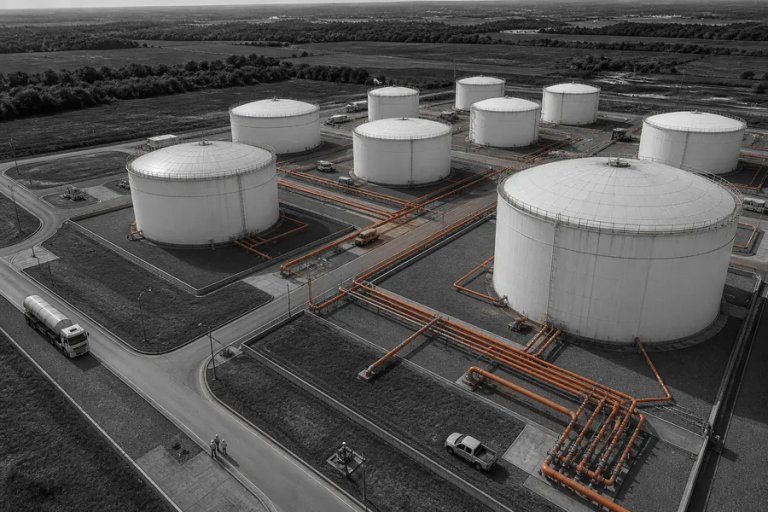
Crude oil fell more than 1% in early Asian trade Monday as Iranian-Qatari ceasefire talks entered a third consecutive day, trimming the geopolitical risk premium that pushed Brent to a six-month high in October.
With U.S. midterm elections just two days away, traders are weighing whether diplomatic progress will hold or whether post-election rhetoric could re-ignite the conflict and send prices sharply higher.
Key Takeaways
- Brent fell $1.59 (1.40%) to $111.84; WTI dropped $1.56 (1.50%) to $102.56.
- Three days of Iran-Qatar talks ease war-premium fears temporarily.
- Analysts warn Brent could surge toward $120 if midterm rhetoric escalates.
Market Reaction & Context
Brent crude futures fell $1.59, or 1.40%, to $111.84 a barrel by 0011 GMT, while U.S. West Texas Intermediate dropped $1.56, or 1.50%, to $102.56 a barrel 1. Both benchmarks remain well above pre-conflict trading ranges, with Brent having closed October at its highest level in six months amid fears of renewed escalation.
The pullback is modest relative to last week's strong gains, which were fuelled by Strait of Hormuz disruptions and uncertainty ahead of Tuesday's U.S. midterm elections. The United States Oil Fund (USO) is among the ETFs most directly exposed to these swings, and energy equities broadly tracked the crude decline in early Asian hours.
Diplomacy Cools Immediate Price Pressure
Iranian and Qatari officials convened for a third straight session of ceasefire consultations over the weekend, raising tentative hopes that a negotiated end to the U.S.-Israeli war on Iran may be within reach 2. Iranian Foreign Minister Abbas Araqchi characterised the talks as "ongoing and progressing," adding that Tehran is prepared for "both defence and diplomacy."
The absence of any major military incident over the weekend was the immediate catalyst for Monday's price retreat. Tim Waterer, chief market analyst at KCM Trade, said:
"Lingering hopes of some form of diplomatic progress, combined with the absence of any meaningful military escalation over the weekend, have taken some of the immediate heat out of prices for now." 1
Strait of Hormuz Remains the Critical Chokepoint
Despite the diplomatic activity, attacks on oil tankers transiting the Strait of Hormuz continue to inflate global energy and shipping costs. Iran-aligned Yemeni Houthis also attacked Saudi energy infrastructure during October, though two of three ship-tracking firms said Saudi crude exports still rose month-on-month - a sign Riyadh is managing to maintain output under pressure 2.
OPEC+ held December production targets steady on Sunday, signalling that any meaningful policy adjustment is unlikely before 2027 as the group grapples with export disruptions tied to the ongoing conflict 1. The decision reinforces the view that supply-side relief will not arrive quickly, keeping a floor under prices even as diplomatic talks progress. Separately, trade-deal uncertainty in other geopolitical arenas - such as the ongoing U.S.-Mexico tariff negotiations - underscores how fragile multilateral diplomacy can be, a dynamic oil traders are watching closely.
Outlook: Election Risk Keeps $120 on the Table
The market's key near-term variable is Tuesday's U.S. midterm election. Waterer cautioned that post-election political dynamics could prompt a sharpening of rhetoric around Iran, potentially driving Brent toward $120 a barrel 1.
Secretary of State Marco Rubio said the Trump administration wants to resolve the Iran conflict "peacefully," even as both sides continue military preparations - a dual-track posture that leaves commodity markets in an uneasy holding pattern 2. Until a formal ceasefire framework emerges, analysts say any diplomatic optimism is likely to be offset by the persistent threat of Hormuz supply disruptions.
Conclusion
Monday's pullback reflects a temporary easing of war-risk pricing, not a fundamental shift in the supply outlook. With OPEC+ standing pat, Hormuz traffic under threat, and election-driven rhetoric unpredictable, the path of least resistance for oil remains skewed to the upside if talks collapse. Retail investors holding energy positions should monitor ceasefire developments and post-election statements closely.
Not investment advice. For informational purposes only.