JetBlue Profit at Risk Amid Rising Fuel Prices
JetBlue's recovery faces obstacles as fuel prices climb, affecting margins and raising concerns about its turnaround strategy's robustness.
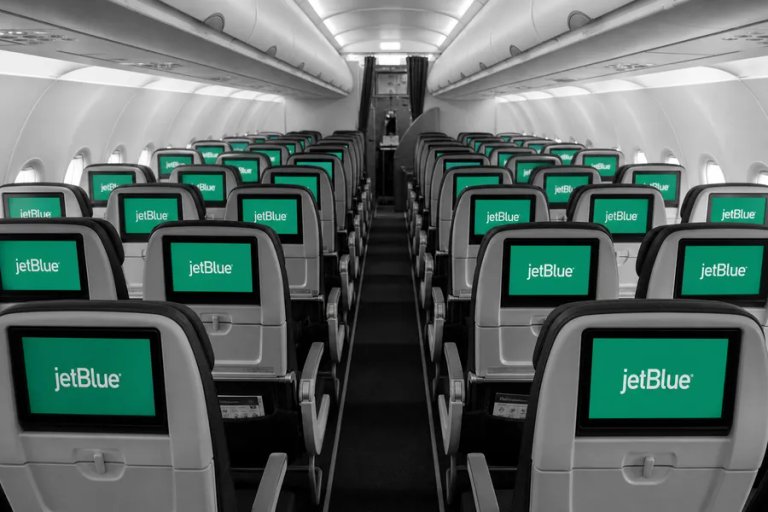
JetBlue Airways (JBLU) shares tumbled Monday as surging jet fuel prices cast fresh doubt over the carrier's multi-year turnaround plan, raising earnings-risk flags for investors watching the low-cost airline sector.
Fuel is the single largest operating cost for most carriers, and any sustained rise in crude benchmarks directly compresses margins at airlines that carry limited or no hedging protection - making JetBlue particularly exposed at a critical stage of its recovery.
Key Takeaways
- Elevated fuel costs threaten JetBlue's path back to profitability.
- Management maintains confidence in its turnaround strategy.
- JBLU underperforms peers amid broader airline sector pressure.
Market Reaction & Context
JetBlue's stock has lagged its low-cost carrier peers in recent sessions as fuel prices climbed, widening the gap with rivals such as Southwest Airlines and Frontier Group Holdings that have greater operational scale or hedging programs. The broader U.S. Global Jets ETF, a proxy for the airline industry, has also retreated, but JBLU's move has been sharper, reflecting its thinner margin cushion and ongoing restructuring costs.
Oil markets have remained volatile in recent weeks - a dynamic that directly feeds into jet fuel pricing with little delay. Readers tracking the macro driver behind this airline stress can find background on energy-market disruptions in coverage of how Aramco supply shocks send oil prices soaring, a reminder of how quickly upstream events ripple into airline cost structures.
Detailed Analysis
JetBlue has been executing what executives describe as a focused strategy to streamline routes, cut costs, and restore revenue quality following years of losses exacerbated by the failed Spirit Airlines acquisition attempt and broader post-pandemic demand shifts. The carrier has been trimming its network, exiting underperforming markets, and renegotiating contracts to reduce its cost base.
However, fuel - which can account for 25% to 30% of an airline's total operating expenses - is one cost largely outside management's direct control. When prices rise sharply, airlines without robust hedging books absorb the hit almost immediately in their quarterly results, putting pressure on unit costs and, ultimately, net income.1
JetBlue's turnaround timeline was already viewed as ambitious by some analysts, given the scale of losses the carrier has accumulated. A sustained fuel-price headwind adds a material variable that could delay any return to consistent profitability, potentially forcing further capacity adjustments or fare increases that risk dampening demand.
Outlook & Management Quote
Despite the turbulence, the company has not shifted its public posture. Executives said the airline "remains confident in its strategy and sees progress in returning to profitability," signaling that management views the fuel pressure as a cyclical challenge rather than a structural threat to its recovery plan.1
Whether investors share that confidence will likely depend on how long fuel prices remain elevated and whether JetBlue can offset the cost through higher fares or further efficiency gains. Analysts will be scrutinizing the next quarterly earnings release for updated cost-per-available-seat-mile guidance and any commentary on hedging intentions.
Conclusion
JetBlue's situation illustrates the narrow operational margins on which low-cost carriers compete - and how quickly an external cost shock can reopen questions about financial sustainability. For retail investors, the key variable to monitor is the trajectory of jet fuel prices relative to the carrier's ability to push through compensating fare increases in what remains a competitive domestic market.
Until fuel costs stabilize or the carrier demonstrates measurable progress on its cost reduction targets, JBLU shares are likely to remain under pressure.
Not investment advice. For informational purposes only.