Brent Crude Eyes $100 Amid Iran Conflict Fears
Iran tensions after US midterms push oil prices as Brent nears $100, affecting sector valuations and market dynamics.
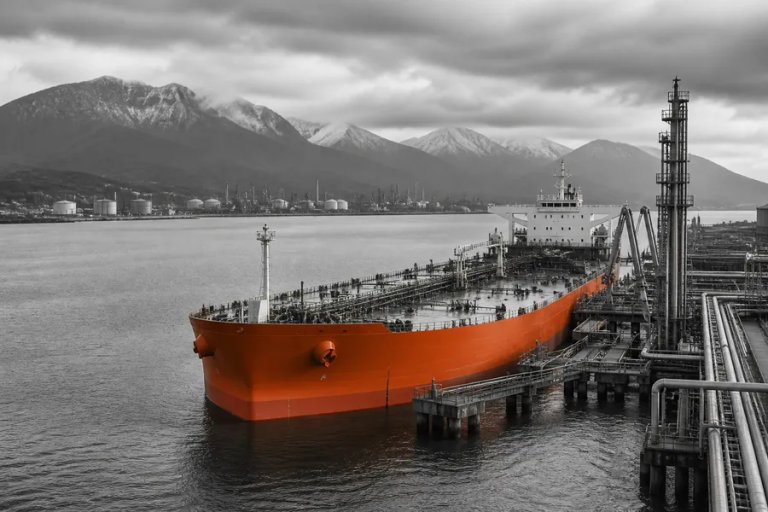
Brent crude futures climbed 1.67% to $99.90 a barrel on Friday as the conclusion of U.S. midterm elections heightened fears of renewed American military action against Iran, threatening a key Middle East supply corridor.
With the Strait of Hormuz already under strain from near-record tanker attacks, any escalation could rapidly tip both major benchmarks above the psychologically significant $100-per-barrel threshold - a move that would ripple directly into consumer fuel costs and corporate energy budgets.
Key Takeaways
- Brent rose 1.67% to $99.90; WTI gained 1.43% to $91.69.
- Rapidan Energy assigns 80% odds of renewed U.S.-Iran military fighting.
- Iran sent a nuclear proposal to Washington via Qatar, raising diplomacy hopes.
Market Reaction & Context
West Texas Intermediate (WTI) crude futures added 1.43% to $91.69 a barrel on Friday, extending a volatile week for energy markets.1 The moves stand in sharp contrast to Thursday's session, when both benchmarks tumbled more than 8% to their lowest closing levels since late August as markets priced in a greater chance of post-election diplomacy.
The sharp intraday reversal underscores how sensitive crude pricing has become to geopolitical signals. Brent has now traded in a band roughly spanning $88 to $100 over the past week - a spread that reflects the binary nature of the Iran risk premium currently embedded in oil prices. Investors tracking how Iran-Qatar diplomatic contacts have previously moved crude prices will recognise the pattern.
The Escalation Case
Bob McNally, founder and president of geopolitical energy consultancy Rapidan Energy Group, put the probability of a resumption of U.S.-Iran military hostilities at 80% following the midterms, saying both Brent and WTI could push above $100 a barrel.1
"President Donald Trump is determined, as a legacy item, almost at all costs, to prevent Iran from getting a nuclear weapon, having them give up their nuclear capabilities. The Iranian regime, on the other hand, is not willing to do it. And as long as that core difference in that deal space is absent, the escalation dynamic remains in place."
- Bob McNally, Rapidan Energy Group
McNally's assessment is echoed by analysts at Lombard Odier, whose chief economist Samy Chaar and head of investment strategy Luca Bindelli said in a Nov. 4 note that the congressional "lame duck" period before a new Democratic-controlled House is seated in January could give the White House a window to resume strikes.2 They cautioned, however, that any renewed campaign may be constrained by pressure on U.S. munitions supplies.
Iran reported three additional attacks on oil tankers in the Strait of Hormuz on Thursday, while UK Maritime Trade Operations data showed vessel attacks continuing at a near-record rate.1 Eurasia Group, separately, estimated the probability of renewed U.S. strikes at 60% - lower than Rapidan's figure - while raising the probability of a prolonged standoff to 30%, and cutting the chance of a full deal to just 10%.3
The Diplomacy Counterweight
Not all analysts see escalation as inevitable. Iran reportedly transmitted a nuclear proposal to Washington through Qatari intermediaries, Reuters said, citing a senior Iranian official.2 The proposal, however, is conditioned on Washington first meeting seven demands, including an end to U.S. military actions, lifting of a naval blockade on Iranian ports, and release of frozen Iranian assets.
In exchange, Tehran said it would allow free passage through the Strait of Hormuz. Julius Baer's head of economics and next generation research, Norbert Rücker, said markets had grown "more convinced" that the post-midterm environment could provide a diplomatic off-ramp rather than trigger fresh escalation.2
Supply Fundamentals & Demand Picture
Even before the latest geopolitical flare-up, underlying supply data had turned tighter. U.S. crude, gasoline and distillate inventories all fell last week, with demand hitting its highest level in a year, according to the Energy Information Administration.3 Commercial oil inventories in major consuming nations are near 15-year lows, leaving little buffer against any supply shock.
JPMorgan estimated in a Wednesday note that the global oil market returned to surplus in September - at roughly 1.1 million barrels per day - widening to approximately 1.4 million bpd in October. That surplus, however, could evaporate quickly if Strait of Hormuz transit volumes decline materially. Airlines with high fuel-cost exposure, such as those flagged in analyses of rising jet fuel price risks, face renewed pressure if the $100 Brent level is sustained.
Political Fallout
The Iran conflict has become a live domestic political issue in the United States. Vice President JD Vance said publicly that "the reason we lost is the war," pointing to polling showing that ending the conflict was the top concern among former Trump voters who switched to Democrats.2 Vance has at times advocated for diplomacy with Tehran, and the Wall Street Journal reported he had reached out to an Iranian hard-liner to explore peace talks.
Iran's parliamentary speaker Mohammad Bagher Ghalibaf dismissed Vance's remarks, describing them on X as "losing gambler energy" and accusing the Trump administration of preparing a next phase of conflict.2 With Congress in recess and executive foreign-policy authority firmly in the White House, the coming weeks are likely to remain pivotal for crude pricing.
Not investment advice. For informational purposes only.
References
- Lee Ying Shan (2026-11-06). "Oil prices rise as investors weigh renewed U.S.-Iran conflict risks after midterm elections"
- Lim Hui Jie (2026-11-06). "Renewed U.S.-Iran tension could push oil past $100: Rapidan Energy"
- Anna Hirtenstein (2026-11-05). "Oil rises as investors weigh uncertainties around Iran war"