Brent Drops as Oil Surplus Eclipses Risk
Brent crude falls to $92 with surplus fears overtaking Middle East tension, affecting sector valuations and investor strategies.
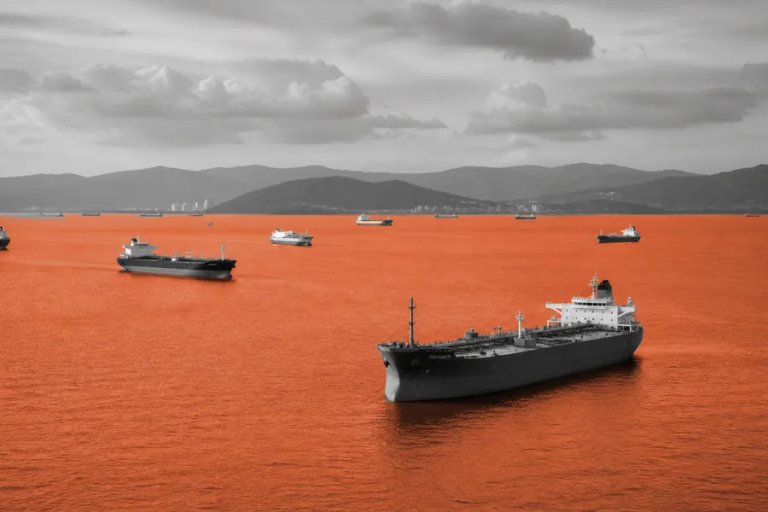
Brent crude futures fell 0.5% to $92.00 a barrel on Tuesday as a projected global supply surplus eclipsed persistent tanker-attack risks in the Gulf and Strait of Hormuz.
The price retreat signals that the geopolitical risk premium that had underpinned oil markets is eroding, with direct implications for energy-sector earnings and inflation expectations heading into year-end.
Key Takeaways
- Brent and WTI each shed 44 cents, or 0.5%, on Tuesday.
- IEA projects a global oil surplus returning in Q4 2026.
- OPEC+ meets November 29 to set 2027 output quotas.
Market Reaction & Context
Brent crude futures (@LCO27F) settled at $92.00 a barrel at 0102 GMT, while U.S. West Texas Intermediate (WTI) futures dropped an identical 44 cents to $85.28 - both benchmarks tracking in lockstep at a 0.5% decline 1. The parallel move underscores broad-based selling pressure rather than a spread-driven trade, suggesting macro supply fundamentals, not contract-specific positioning, are driving sentiment.
The retreat stands in contrast to earlier 2026 rallies, when Brent surged roughly 4% on fears that U.S.-Iran conflict could choke flows through the Strait of Hormuz - a waterway handling approximately 20% of global oil supply 2. Investors tracking related dynamics in Iran-Qatar diplomatic progress and its effect on crude prices will note the market is now pricing a similar de-escalation outcome even without formal talks.
Detailed Analysis
The International Energy Agency said on Friday that the world oil market will swing to a surplus in the fourth quarter of this year, as Middle East export volumes recover faster than global demand can absorb them 2. That assessment has effectively recalibrated the market's risk framework, shifting the dominant narrative from supply-disruption fears to supply-glut concerns.
Tanker attacks in the Gulf and along the Strait of Hormuz have not ceased, but traders appear willing to discount their impact given evidence that export flows are normalising. The U.S. Strategic Petroleum Reserve added an additional layer of bearish context: stocks fell to 276.4 million barrels last week, the lowest level since August 1982, as part of a planned release of 172 million barrels 2.
Meanwhile, OPEC held an online session on Monday to review members' maximum sustainable production capacity - a key input for setting OPEC+ output quotas for 2027 and beyond. The wider OPEC+ group, which includes Russia and other allied producers, is scheduled to convene on November 29 to determine 2027 policy, a meeting that could either reinforce or undercut the surplus thesis depending on any supply curb decisions 1.
Investors monitoring how China's oil demand trajectory interacts with tightening global supply should note that any demand softening from Beijing would amplify the surplus dynamic already flagged by the IEA.
Analyst Perspective
"Oil is recalibrating lower as the market increasingly accepts that supply has finally caught up with demand and may now be set to exceed it. That shift in the supply-demand balance is the main factor weighing on prices today," said Tim Waterer, chief analyst at KCM Trade 2.
Waterer added that the geopolitical risk premium stemming from the U.S.-Iran conflict "has not disappeared, but it is clearly taking a back seat for now" - a framing that suggests any renewed escalation near the Strait of Hormuz could rapidly reverse the week's losses 2.
Outlook
The November 29 OPEC+ meeting is now the near-term pivot point for crude markets. A decision to maintain or expand output would cement the surplus narrative and likely push both benchmarks lower, while fresh production cuts could reignite the geopolitical premium that has largely been priced out.
For retail investors with energy-sector exposure, the current setup presents a bifurcated risk: downside from an IEA-validated supply glut, offset by a tail risk of rapid price spikes should Hormuz shipping disruptions escalate materially. Positioning ahead of the OPEC+ meeting will require monitoring both the diplomatic track and the weekly export-flow data from Gulf producers.
Not investment advice. For informational purposes only.