Brent Surges as U.S.-Iran Tensions Spike Prices
Oil prices soar amid U.S.-Iran conflict, impacting portfolios and sector revenues with Brent at $96. Adjust your investment strategy accordingly.
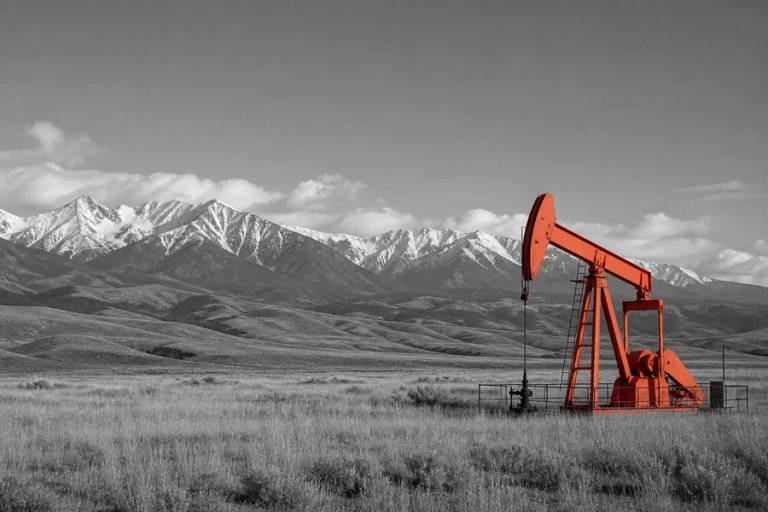
Crude oil logged its sharpest weekly advance since mid-July on Friday, with Brent futures climbing to $96.06 and WTI surging 10.4% on the week, as renewed U.S.-Iran military clashes stoked fears of a prolonged Strait of Hormuz supply squeeze.
For equity investors, the move matters because sustained triple-digit crude risk would feed through to transport, manufacturing and consumer discretionary margins while boosting energy-sector revenues - a bifurcation that reshapes portfolio allocation in the back half of 2026.
Key Takeaways
- Brent +7.6% and WTI +10.4% for the week ending Sept. 4.
- Iran expanding Hormuz vessel blacklist, curbing transit options.
- ANZ raises short-term Brent forecast to $95, flags upside risk.
Market Reaction & Context
By 0100 GMT on Friday, Brent crude futures had risen 54 cents, or 0.6%, to $96.06 a barrel, while U.S. West Texas Intermediate (WTI) futures gained 80 cents, or 0.9%, to $92.10 1. Those intraday moves capped weekly gains of 7.6% for Brent and 10.4% for WTI - the largest since the week ended July 20 - easily outpacing broader commodity indices and underscoring how quickly geopolitical risk can reprice energy markets.
The rally is the latest escalation in a conflict context already tracked by energy analysts since Brent tested $91 amid earlier Hormuz standoff tensions. The current move adds roughly $5 to that baseline in under two months.
Geopolitical Drivers
U.S. military strikes this week killed and wounded dozens of people, including Iranian civilians, marking the fiercest direct clashes between Washington and Tehran since July 1. The conflict, which began with U.S.-Israeli strikes in late February, is now in its seventh month - a duration that analysts say is eroding the inventory buffers that initially cushioned markets.
Israeli Defence Minister Israel Katz renewed warnings that Israel would "cripple" Iran's military and civilian infrastructure, explicitly including energy facilities 1. That threat placed Iranian oil export terminals directly in the market's risk calculus, amplifying the price response.
Hormuz Chokepoint & Iraqi Exports
Iran expanded its blacklist of vessels it deems non-compliant, subjecting additional ships to fines, confiscation or detention if they attempt Strait of Hormuz transit 1. Iraqi tankers remain among the few cleared to pass, a carve-out that helps explain why Iraq was able to boost oil exports to roughly 2.34 million barrels per day in August from about 1.35 million bpd in July, according to two Iraqi energy officials - with September volumes also expected to rise as heavy discounts attracted buyers.
U.S. Vice President JD Vance told reporters Thursday that Washington does not plan to hold talks with Iran "unless they stop attacking commercial shipping in the Strait of Hormuz," removing a near-term diplomatic off-ramp and keeping the risk premium firmly embedded in prices 1. The secondary-sanctions dimension of this standoff also carries implications for broader financial markets, a dynamic examined in the context of looming Chinese bank sanctions tied to Iran-linked transactions.
Analyst Outlook
ANZ analysts raised their Brent crude forecast to $95 a barrel in the short term on Friday, with explicit upside risk flagged if the Middle East conflict intensifies 1. Their note identified a structural tension building beneath the headline price.
"The market is entering a delicate adaptation phase. Elevated inventories helped absorb the initial supply crisis, but the challenge is now to keep the market balanced as those buffers diminish," ANZ analysts said 1.
A partial offset to the rally came from geopolitical news outside the Middle East: Russian President Vladimir Putin said a path remained open to a Ukraine peace deal and that both the U.S. and China were prepared to support a settlement, easing some risk-off pressure on global growth expectations 1.
Conclusion
With Hormuz transit rights contested, diplomatic talks stalled and energy infrastructure under explicit threat, the structural supply-risk premium in crude appears unlikely to dissipate quickly. Retail investors with energy-sector exposure - or inflation-sensitive holdings in transport and industrials - will want to monitor whether Brent can hold above $95 in coming sessions as a gauge of market conviction in the conflict-premium thesis.
Not investment advice. For informational purposes only.