Bohai Gas Find May Boost China's Energy Self-Reliance
CNOOC's Bohai discovery could cut China's gas import need, extend reserves, and impact the energy sector's market valuation.
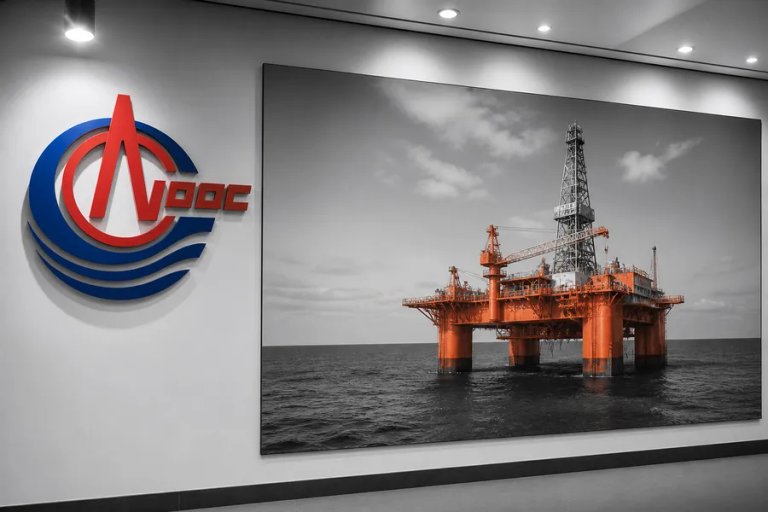
China's CNOOC (0883.HK) disclosed a major ultra-deep natural gas discovery in the Bohai Sea on Wednesday, a find that analysts said could meaningfully extend the state energy giant's reserve life and bolster Beijing's energy self-sufficiency drive.
For investors tracking China's offshore energy sector, the discovery raises the prospect of a material reserve upgrade at CNOOC - the country's dominant offshore driller - at a time when domestic gas demand continues to outpace supply and China's energy import dependence remains a key market risk.1
Key Takeaways
- CNOOC confirmed a major ultra-deep gas discovery in the Bohai Sea.
- The find could extend CNOOC's reserve base and earnings visibility.
- Discovery supports China's push to cut reliance on gas imports.
Market Reaction & Context
CNOOC shares have outperformed broader Chinese energy peers over the past 12 months, buoyed by robust production targets and elevated global natural gas prices. The Bohai Sea is already China's most productive offshore oil basin, and an ultra-deep gas strike there carries higher geological significance than a comparable discovery in frontier acreage.
Global peers including Shell (SHEL.L) and TotalEnergies (TTE.PA) have similarly reported deep-water gas finds in 2026, but CNOOC's Bohai discovery is strategically distinct given its proximity to major northeastern Chinese industrial demand centers - a logistical advantage that could reduce development costs and accelerate first gas timelines.
Detailed Analysis
Ultra-deep discoveries - typically defined as wells drilled below 4,500 meters - are technically demanding and capital-intensive, but they also tend to yield higher per-well flow rates when successfully appraised. CNOOC has steadily built out its deepwater and ultra-deep drilling capabilities over the past decade, and Wednesday's disclosure suggests that investment is beginning to bear commercial results.1
The Bohai Sea basin has historically been associated with oil rather than gas, making a confirmed ultra-deep gas find a geological departure that could prompt upward revisions to the region's overall resource estimates. Independent analysts covering Chinese energy majors have flagged reserve replacement as a key swing factor for CNOOC's medium-term valuation multiple.
China's gas market context amplifies the strategic weight of the find. Beijing has set aggressive targets for domestic gas production as part of its broader energy security framework, aiming to reduce exposure to liquefied natural gas spot price volatility - a dynamic also playing out in global supply chains, as seen in recent long-term LNG supply agreements between major producers and buyers seeking price certainty.
Bohai Basin development also carries relatively lower political risk compared with South China Sea acreage, where overlapping territorial claims with Vietnam and the Philippines can complicate permitting and insurance. That distinction may support a faster path from discovery to production sanction.
Outlook & Management Commentary
"This discovery represents a significant breakthrough in ultra-deep exploration in the Bohai Sea," CNOOC said in its disclosure, adding that the find demonstrates the basin's potential for large-scale gas resources at greater depths than previously tested.
The company did not provide specific reserve volume estimates or a projected development timeline in the initial announcement. Investors will likely focus on upcoming reserve certification data and any revision to CNOOC's 2027 capital expenditure guidance as key near-term catalysts.
Conclusion
CNOOC's ultra-deep Bohai gas strike arrives at a moment when energy security is a top policy priority for Beijing and when domestic gas pricing reforms are gradually improving the economics of upstream investment. If appraisal drilling confirms commercial quantities, the discovery could support both earnings upgrades and a re-rating of CNOOC's reserve-to-production ratio - two metrics that institutional investors in the Chinese energy sector watch closely.
The broader implication for China's energy import bill is also worth monitoring, given that China's trade balance dynamics remain sensitive to swings in energy commodity import volumes and pricing.
Not investment advice. For informational purposes only.