Tariffs Persist Despite Inflation Woes
Tariffs stay as inflation hits 3.7%. Explore impact on sectors and consumer costs.
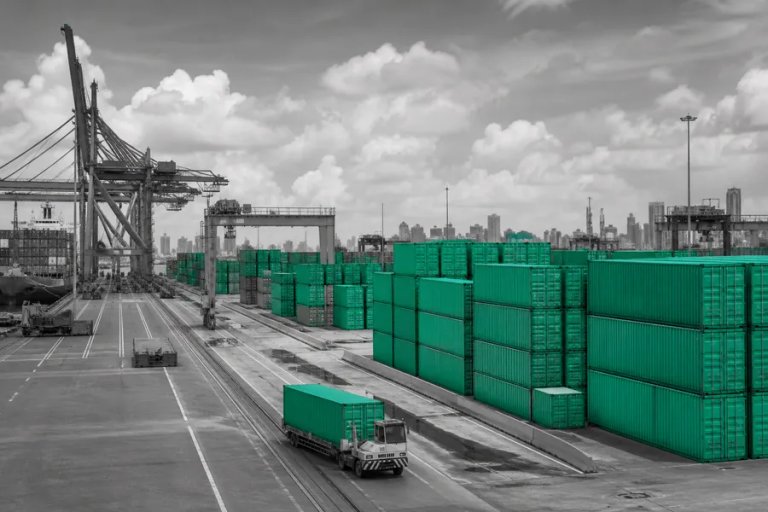
The White House pledged Tuesday to maintain Trump's tariff regime through the remainder of the presidential term, even as October consumer prices rose 0.4% and a new poll showed 62% of Americans want the duties repealed.
For retail investors, the tariff standoff carries direct earnings implications across consumer-facing sectors - from retailers and logistics firms to chemical makers - that have already begun repricing supply chains in response to sustained import costs.
Key Takeaways
- White House vows tariffs will continue through end of presidential term.
- October CPI rose 0.4%, pushing annual inflation to 3.7%.
- 62% of Americans support repealing tariffs, per Reuters/Ipsos poll.
Market Context & Consumer Price Pressure
October's 0.4% monthly consumer price increase exceeded economists' expectations and lifted the year-over-year rate to 3.7% in September - nearly double the Federal Reserve's 2% target 1. That inflation reading arrives as energy costs climb on geopolitical tensions, with the ongoing conflict with Iran adding a separate upward force on household budgets - a dynamic that has also weighed on airline profitability, as seen in JetBlue's profitability challenges amid rising fuel prices.
A Federal Reserve Bank of New York study estimated that roughly 26% of tariff increases have been passed through to consumer prices, with full supply-chain effects taking nine to 12 months to materialize 1. That lag means additional tariff-driven inflation from earlier rounds of duties may still be working through the system.
The Policy Divide
Speaking at the U.S. Chamber of Commerce's B20 summit in Washington on Tuesday, Jim Goyer, Trump's director of the White House Office of Public Liaison, defended the tariff agenda as essential for rebuilding domestic manufacturing, securing supply chains, and protecting national security 1.
"And we are just getting started," Goyer said. "Our ambition is to continue this pace for the remainder of the president's term in office." 1
Gary Cohn, who served as Trump's chief economic advisor during the first administration and now serves as vice chairman of International Business Machines (IBM), offered a starkly different assessment at the same event 1.
"Tariffs are a consumption tax on the U.S. consumer," Cohn said, arguing that the duties raise prices and force Americans to reconsider purchases. "There's the debit side of the balance sheet, which is every hardworking American who happened to pay the tariff through some product that they bought." 1
Detailed Analysis: Corporate Adaptation
Business leaders at the summit signaled that supply-chain restructuring is already underway regardless of political outcomes. UPS (UPS) CEO Carol Tomé said customers are actively shifting production and sourcing closer to home as global networks become more regional 1.
"Supply chains are diversifying. Supply chains are regionalizing," Tomé said during a panel moderated by CNBC's Morgan Brennan 1. UPS is separately opening an $80 million-plus air hub in the Philippines to expand its Asian network and serve more than 1,100 global trade lanes.
Dow (DOW) executive chairman Jim Fitterling offered a nuanced defense, acknowledging that tariffs can drive up prices while arguing they remain necessary to combat unfair competition and protect U.S. manufacturing 1. Former Republican congressman Kevin Brady, who co-led the B20 summit, said the broader trading architecture has been fundamentally altered.
"President Trump has disrupted that system in a way that we're not likely to return to," Brady said 1.
Political Outlook & Path Forward
The midterm elections delivered a sharp political signal: roughly two-thirds of voters said Trump's policies contributed to inflation, and nearly nine in ten called the cost of living a major or crucial factor in their vote, according to a CNBC Voter Poll 1. Democrats are set to take control of Congress in January, though Trump's veto power and broad executive trade authority present significant obstacles to reversing the tariffs legislatively 1.
Cohn suggested a bipartisan pathway exists - making permanent protections against China and unfair trade practices while rolling back tariffs on Canada, leaving future administrations with less room to unwind the framework 1. Whether the incoming Democratic majority pursues that or a broader repeal will be a key variable for trade-exposed equities in 2027. Oil market watchers tracking crude price movements tied to Iran diplomacy will find energy costs another complicating factor in the overall inflation picture.
Conclusion
The White House's Tuesday commitment signals that tariff-driven cost pressure on consumer goods, logistics, and industrial inputs will persist at least through the remainder of Trump's term. With October CPI already beating forecasts and Federal Reserve policy remaining hawkish, investors in retail, consumer staples, and import-reliant industrials face a prolonged margin-compression environment unless a bipartisan trade accord emerges.
Not investment advice. For informational purposes only.