Tyson's Plant Sales Invite Global Buyers, Risk Looms
Tyson's plant sales invite global offers, countering USDA, affecting deal terms and valuation in beef sector.
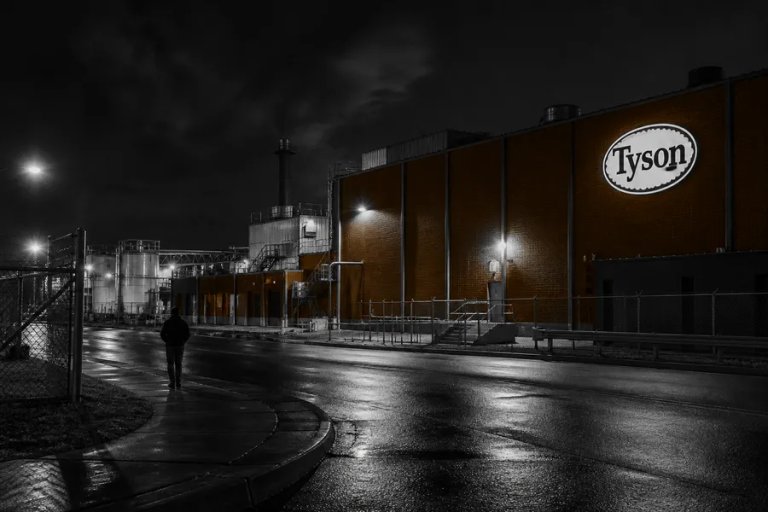
Tyson Foods (TSN.N) publicly contradicted USDA Secretary Brooke Rollins on Tuesday, saying its idled beef plants remain available to any buyer - foreign or domestic - a disclosure that sharpens regulatory and ownership risk for investors tracking the consolidating U.S. beef sector.
The clash matters for shareholders because it signals that Tyson's asset-disposal timeline and ultimate sale price could hinge on an unresolved standoff with federal regulators at a moment when the company's beef division is already posting losses.
Key Takeaways
- Tyson flatly rejected Rollins' claim of a U.S.-buyer-only commitment.
- Foreign firms already control a large share of U.S. beef processing capacity.
- Record beef prices have made industry ownership a midterm election flashpoint.
Market Reaction & Context
Tyson (TSN.N) is one of four companies - alongside Cargill, JBS USA and National Beef Packing - that collectively slaughter roughly 85% of U.S. grain-fattened cattle 1. Two of those four, JBS USA and National Beef, are already controlled by Brazilian interests, underscoring how far foreign capital has already penetrated a sector the Trump administration now says it wants to repatriate.
Beef prices have surged to record highs in 2026, driven by historically tight cattle supplies, becoming a politically sensitive issue ahead of November's midterm elections. That backdrop has put every strategic decision by major meatpackers under Washington's microscope.
Tyson said last month it would shutter or sell three U.S. beef plants and related packaging operations, citing deepening losses in its beef segment - a segment that faces a structural squeeze as elevated cattle costs outpace even record wholesale beef prices 1. The administration's parallel move to allow 300,000 metric tonnes of foreign beef to enter the U.S. at reduced tariff rates for 90 days has further complicated the outlook; for context on how that policy affects sector peers, see how the tariff shift is affecting JBS's competitive position.
The Rollins-Tyson Dispute Unpacked
Speaking Tuesday at the annual Farm Progress Show in Boone, Iowa, Rollins said she had secured a personal commitment from Tyson CEO Donnie King that any plant sale would be restricted to U.S.-owned buyers or producer cooperatives 1. "Mr. King told me that they would make sure that if it moves or when it moves, it would be to an American-owned company or producers," Rollins told reporters at the outdoor agricultural showcase.
Within hours, Tyson pushed back in direct terms. "Our company's stance on selling the closed plants has not changed," a company spokesperson said, confirming the facilities are on the market for any financially capable acquirer, regardless of nationality 1. Rollins did not immediately respond to a request for further comment.
Valuation and Deal-Term Implications
For deal-focused investors, restricting bidders to U.S.-only buyers would likely compress sale valuations by reducing the competitive tension in any auction process. Tyson's willingness to entertain foreign bids preserves optionality but also raises the risk of a protracted standoff with regulators who could seek to block or condition any cross-border transaction.
The USDA this week separately unveiled a support package for the beef industry that includes loans for small meat processors and provisions to open conserved land for grazing - measures analysts view as politically motivated ahead of the election cycle rather than structurally transformative for large-cap processors like Tyson 1.
Outlook
The dispute reflects a broader tension between the Trump administration's stated goal of reducing foreign control over domestic food infrastructure and Tyson's fiduciary obligation to maximize returns on divested assets. Last year, Trump asked the Justice Department to investigate meatpackers for alleged price manipulation and collusion - a probe that remains unresolved and adds another layer of regulatory uncertainty to any prospective plant transaction 1.
Until Tyson and the USDA align on sale terms - or a buyer emerges - investors should expect the overhang on TSN's beef segment to persist, with deal structure and buyer nationality likely to be as closely scrutinized as the final price tag.
Not investment advice. For informational purposes only.