Trump's 90-Day Beef Tariff Lift: Implications for JBS
Explore deal terms and sector implications as JBS gains from Trump's tariff rollback, impacting U.S. beef market competition.
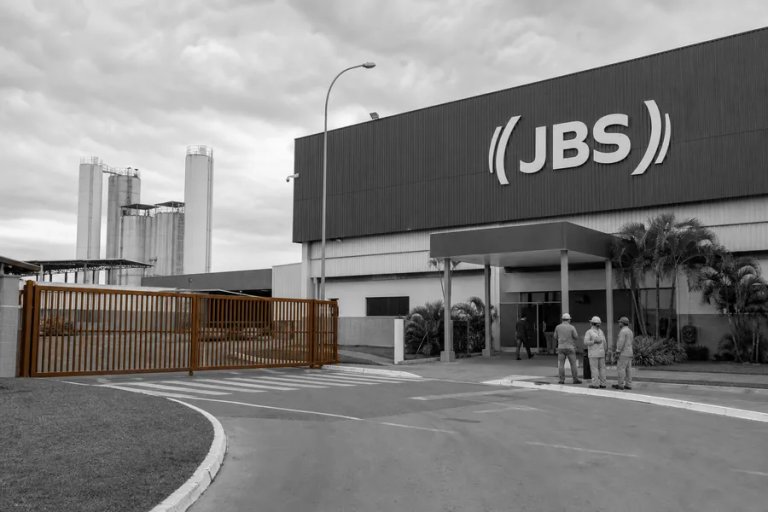
Brazilian billionaire Joesley Batista met President Trump on August 20 to pitch lower U.S. beef import tariffs, and Trump eased ground-beef import quotas the very next day, the Wall Street Journal reported Monday.
The sequence raises valuation and regulatory questions for JBS and competing U.S. meatpackers, as any sustained reduction in the 26% import levy could meaningfully expand Brazilian beef volumes in the American market and pressure domestic producer margins.
Key Takeaways
- Batista met Trump on Aug. 20; tariff relief followed within 24 hours.
- Trump's move targets a 90-day easing of ground-beef import quotas.
- A full 26% tariff removal could open a large U.S. volume opportunity for JBS.
Market Context & Sector Impact
JBS, the world's largest meatpacker by revenue, trades on the Frankfurt exchange under ticker Z98.F and competes in the U.S. with domestic giants Tyson Foods and Cargill. 1 The Trump administration framed the tariff ease as a consumer-price relief measure, saying ground beef imports would sell at roughly 25% below current U.S. retail prices.
U.S. beef prices have climbed sharply over the past 18 months, driven by tight domestic cattle supply stemming from multi-year herd liquidation. Any sustained increase in Brazilian import volumes would add competitive pressure on U.S. producers' pricing power - a key margin driver for publicly listed meatpackers.
JBS has been actively reshaping its U.S. footprint; the company recently pursued a minority buyout of Pilgrim's Pride, underscoring its strategy of deepening integration across American protein categories.
Detailed Analysis
According to the WSJ, citing people familiar with the matter, Batista argued that Brazilian beef supply could serve as an effective inflation-fighting tool if Trump agreed to reduce or suspend the 26% import tariff currently applied to Brazilian shipments. 1 One day after the August 20 meeting, Trump publicly announced a temporary 90-day easing of ground-beef import quotas, though a full tariff elimination was not confirmed.
The WSJ report did not specify whether a formal deal is under negotiation or whether the tariff adjustment is purely executive discretion. Reuters said it could not immediately verify the report's details.
For investors, the critical distinction is between a quota relaxation - which caps volume uplift - and an outright tariff reduction, which would structurally alter the competitive landscape for years. A 26-percentage-point tariff cut would represent one of the most significant U.S. agricultural trade concessions involving Brazil in recent memory.
Outlook & Attribution
Trump, in his August 21 public remarks, said ground beef imports would sell "25% below current prices," framing the move as direct relief for American consumers facing persistently high grocery bills. Neither JBS nor the White House issued additional statements elaborating on the scope or duration of the tariff adjustment beyond the initial 90-day quota window.
Analysts will be watching whether the temporary quota easing is extended, converted into a permanent tariff reduction, or reversed - each scenario carrying materially different implications for JBS revenue in its largest market and for the earnings of U.S.-listed competitors in the protein sector.
Conclusion
The reported Batista-Trump meeting and the near-immediate policy response highlight how closely trade policy and commodity pricing are intertwined in the current political environment. 1 Retail investors holding positions in meatpackers or agricultural commodity ETFs should monitor whether the 90-day quota relief is a precursor to a broader tariff negotiation between Washington and Brasília - a development that would reshape the competitive economics of the U.S. beef market.
Not investment advice. For informational purposes only.