Waymo's Debt Boosts Robotaxi Expansion
Explore the $5B Waymo deal and its impact on fleet growth without Alphabet's guarantee. Crucial for understanding valuation trends.
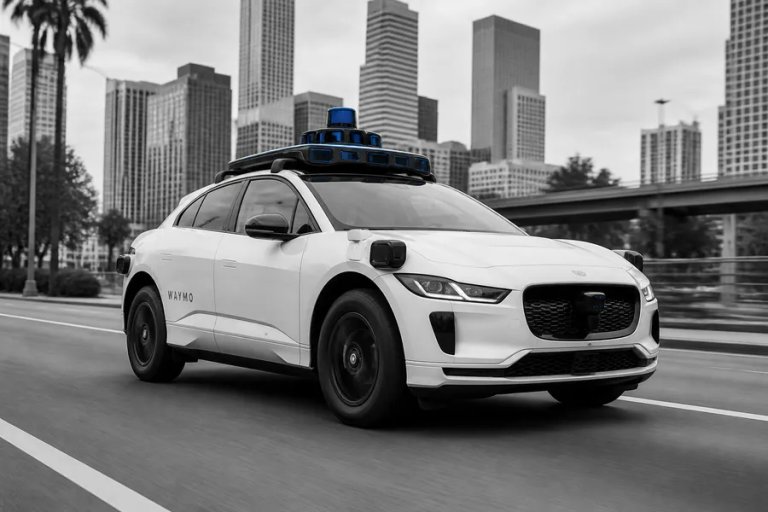
Alphabet's (GOOGL) autonomous-vehicle unit Waymo plans to scale its robotaxi fleet from roughly 4,000 vehicles today to 20,000 by end-2027, bankrolled by a $5 billion private-credit facility raised without a parent-company guarantee, Semafor reported Monday.
The deal's non-recourse structure limits Alphabet's direct balance-sheet exposure while signalling that institutional lenders are willing to underwrite robotaxi growth on the strength of Waymo's own projected cash flows - a milestone that could reshape how investors value autonomous-vehicle assets inside a conglomerate.
Key Takeaways
- Fleet doubles to 8,000 vehicles by year-end 2026, then hits 20,000 by end-2027.
- $5 billion raised as non-recourse private-credit debt, no Alphabet guarantee.
- Expansion targets 15 U.S. cities; Toronto is next international market.
Deal Terms & Capital Structure
The $5 billion facility, closed earlier this month, is structured as non-recourse debt - meaning lenders cannot pursue Alphabet's broader balance sheet if Waymo underperforms 1. According to people familiar with the matter cited by Semafor, Waymo also retains the option to securitise future vehicle leases, providing an additional borrowing runway beyond the initial raise 2.
That structure places Waymo closer to a standalone infrastructure or fleet-finance vehicle than to a typical corporate borrower. For Alphabet shareholders, the arrangement caps downside liability while preserving upside if the robotaxi unit eventually commands a separate valuation.
Fleet Ramp: Milestones and Vehicle Sourcing
Waymo's current fleet stands at approximately 4,000 vehicles operating in a handful of U.S. markets. The company is targeting 8,000 units by the end of 2026 - effectively doubling capacity in roughly two months - before reaching the 20,000-unit threshold by end-2027 2.
To support that ramp, thousands of Zeekr-branded vehicles produced by Chinese automaker Geely are already on order, according to the Semafor report. The reliance on Chinese manufacturing introduces potential supply-chain and geopolitical risk that investors will need to weigh against the pace of growth.
Market Context & Sector Implications
Waymo's expansion ambitions arrive as rival autonomous-vehicle programmes are scaling at varying speeds. Tesla (TSLA) has said it intends to launch a commercial robotaxi service, while General Motors shuttered its Cruise unit after a string of regulatory setbacks - underscoring the execution risk that still overhangs the sector.
A 20,000-vehicle Waymo fleet operating across 15 cities would represent a step-change in commercially deployed autonomous miles, a metric analysts increasingly use to benchmark unit-economics viability. No publicly traded pure-play comparable currently operates at that scale.
Geographic Footprint
Waymo currently runs paid rides in San Francisco, Los Angeles, Phoenix and Austin. The 15-city target represents a significant broadening of its operational geography, with Toronto identified as its first non-U.S. market 2.
Regulatory approval timelines in new jurisdictions remain a key variable; Canadian autonomous-vehicle rules differ by province, and Ontario's framework for fully driverless commercial services is still developing.
Outlook
Semafor's sources described the expansion plan as contingent on the successful deployment of the Zeekr vehicle orders and continued regulatory clearance in target cities 1. Waymo had not publicly confirmed the fleet targets or financing details as of the time of publication.
"Waymo plans to grow its fleet from 4,000 vehicles today to 8,000 by the end of 2026 and 20,000 by the end of 2027, operating across 15 U.S. cities with Toronto next," Semafor reported, citing people familiar with the matter.
Alphabet does not break out Waymo's financials in its quarterly earnings, though the unit sits within the "Other Bets" segment, which reported an operating loss of several billion dollars annually in recent years. A successful non-recourse capital raise could eventually support arguments for a partial spin-out or separate public listing.
Conclusion
The combination of a large, independently structured debt raise and an aggressive fleet-growth timeline marks a potential inflection point for Waymo as it moves from proof-of-concept to scaled commercial operations. Alphabet investors will be watching whether vehicle deliveries, regulatory approvals and ride-demand growth can keep pace with a capital plan that now carries institutional-grade scrutiny.
Not investment advice. For informational purposes only.