OPEC+ Freezes Output: Impact on Stock Market
Discover how OPEC+'s frozen output targets affect stock valuations and sector dynamics, pushing policy changes to 2027.
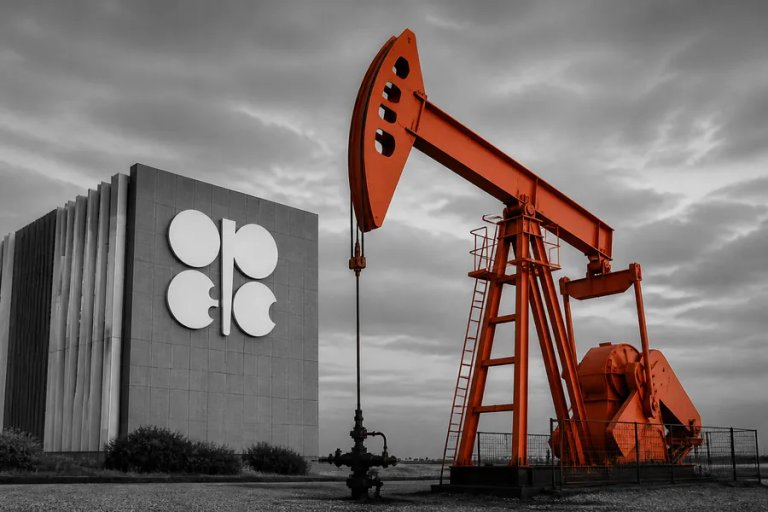
OPEC+ agreed in principle Sunday to hold December oil production targets unchanged, with sources telling Reuters that meaningful output-policy adjustments are now unlikely before next year.
For energy investors, the decision signals that the cartel is prioritizing price stability over market-share recovery - a posture that keeps a floor under crude benchmarks but limits upside for oil-leveraged equities if demand softens heading into winter.
Key Takeaways
- December quotas held steady; no output hike approved.
- Policy reset now expected no earlier than 2027.
- Three independent sources confirmed the agreement to Reuters.
Market Reaction & Context
The hold decision was broadly anticipated by crude futures markets, where Brent and WTI had already priced in limited near-term supply additions following months of OPEC+ communications signaling caution 1. Brent crude has traded in a comparatively narrow band relative to the sharp swings seen in 2022-2023, reflecting the cartel's consistent policy of measured adjustments rather than aggressive volume moves.
Energy sector exchange-traded funds tied to major producers - including integrated oil majors and Gulf-state-linked instruments - showed muted immediate reactions, consistent with a "no surprise" outcome. Analysts noted that the key market variable remains demand-side data from China and Europe, not OPEC+ supply mechanics.
Detailed Analysis
Three people with direct knowledge of the matter told Reuters that OPEC+ members reached the in-principle agreement at a Sunday meeting, keeping December quotas at existing levels 1. The decision extends a pattern of deliberate caution the alliance has maintained since voluntary production cuts were introduced in late 2023 to defend price floors.
By deferring any output-policy adjustments until at least 2027, OPEC+ is effectively signaling that it views current market conditions - including subdued Chinese industrial demand and elevated non-OPEC supply from the United States and Brazil - as too uncertain to justify a volume strategy change. That calculus reduces the probability of a supply glut in early 2027 but also caps the rally potential if demand recovers faster than expected.
The freeze also relieves immediate pressure on member states running below quota, as no new baseline adjustments require compliance scrutiny in the near term. Iraq and Kazakhstan, both historically prone to overproduction relative to agreed limits, benefit from the status quo holding.
Outlook & Sourced Commentary
Reuters cited three people with knowledge of the matter as confirming the agreement, though no official OPEC+ communiqué had been released at the time of writing 1. The sourcing pattern - multiple independent contacts rather than a single briefing - adds credibility to the report but leaves open the possibility of last-minute adjustments before formal confirmation.
Market watchers say the cartel's willingness to look past December without a policy pivot reflects confidence that current price levels are broadly acceptable to key fiscal-breakeven requirements among Gulf producers. Saudi Arabia's budget breakeven is widely estimated above $80 per barrel, a threshold that shapes Riyadh's tolerance for supply increases.
Conclusion
Sunday's in-principle freeze removes one near-term uncertainty for energy investors but shifts focus squarely to demand-side catalysts and any shifts in non-OPEC supply trajectories into early 2027. With the next meaningful policy window now deferred, crude price action will increasingly hinge on macroeconomic indicators from major importing economies rather than cartel mechanics. Investors in oil-sensitive positions should monitor Chinese manufacturing data and U.S. inventory reports as the more actionable near-term signals.
Not investment advice. For informational purposes only.